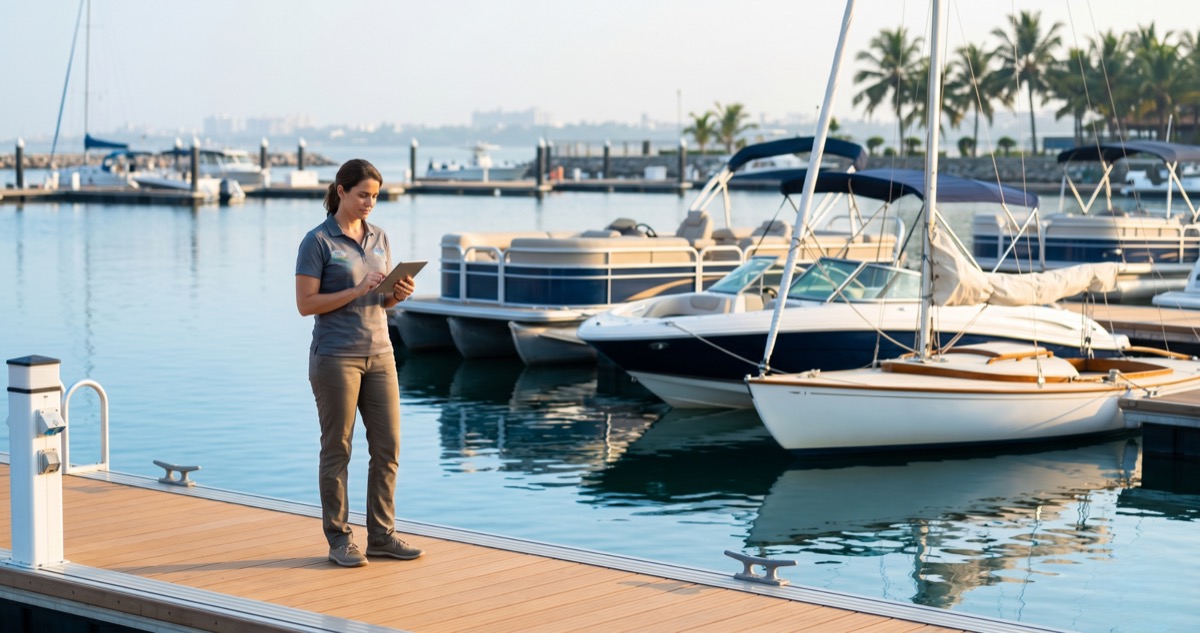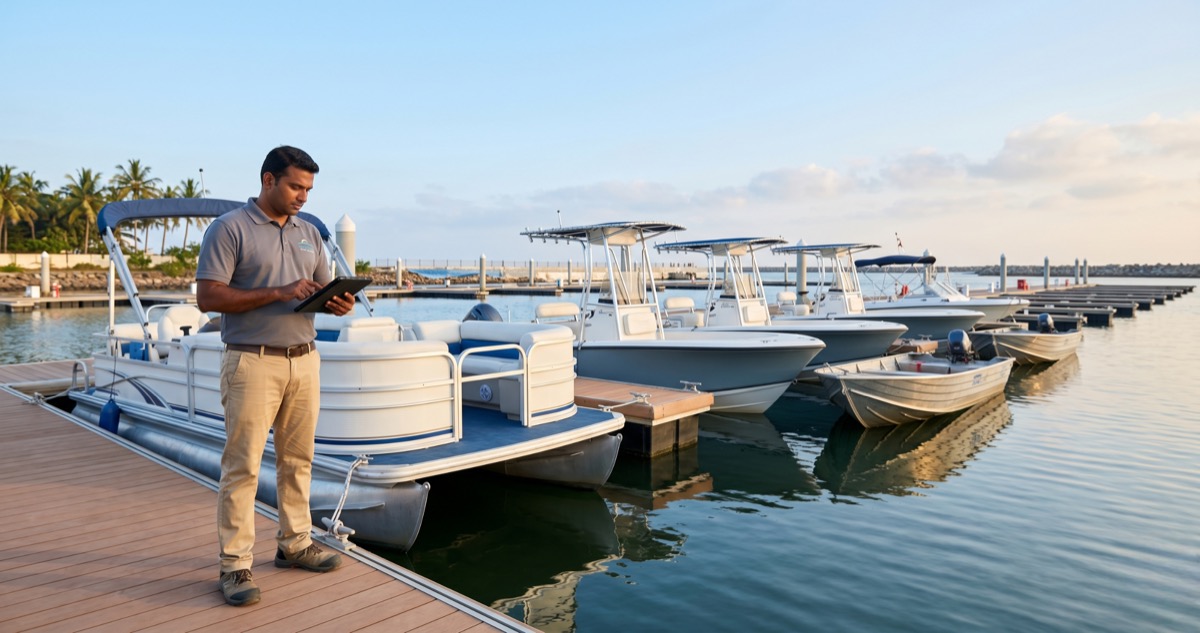

Starting a boat rental business looks like an obvious win from the outside — waterfront lifestyle, strong daily rates, and a tourism market that keeps growing. But the boat rental startup cost catches a lot of first-time operators off guard.
Boats are not bikes. A single pontoon can cost more than an entire fleet of rental bicycles. Add it all up and you are looking at a serious capital commitment before your first customer ever steps aboard:
- Marina fees — slip rental costs that run year-round regardless of bookings
- Hull insurance — commercial coverage that costs significantly more than personal boat policies
- USCG licensing — federal requirements for commercial passenger-carrying operations
- Year-round maintenance — engine servicing, hull cleaning, winterization, and spring commissioning
This guide breaks down every cost category with real 2026 numbers so you can budget accurately and avoid the surprises that sink new operators.
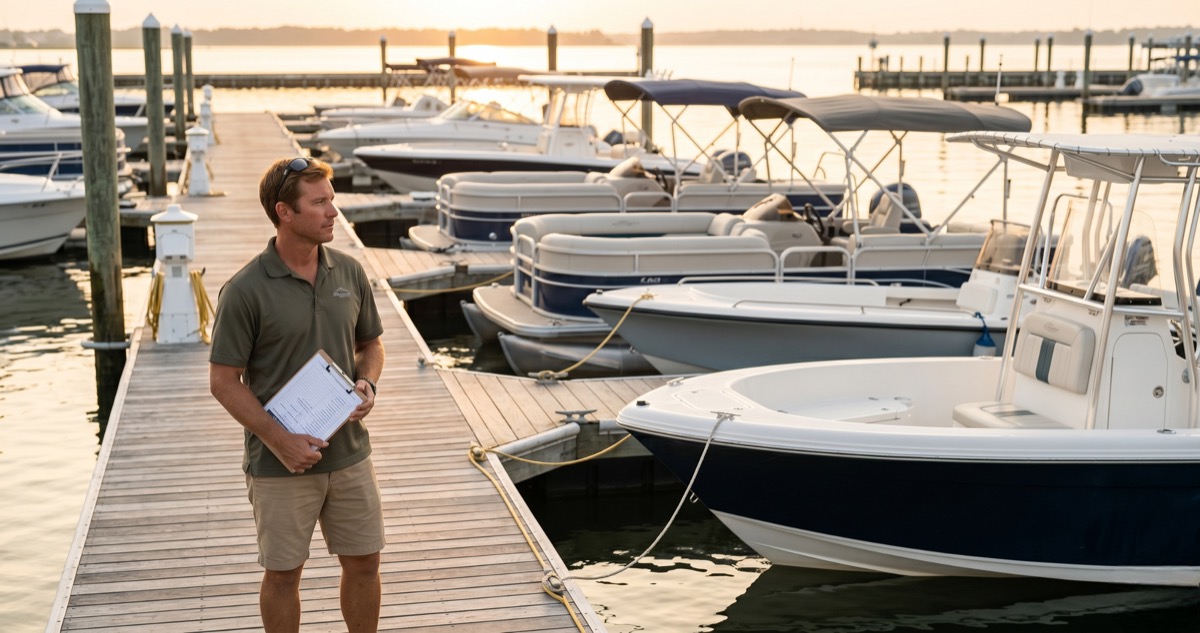
What does it actually cost to start a boat rental business?
A small boat rental business with 3-5 vessels typically requires $50,000 to $250,000 in startup capital, depending on boat type, location, and whether you buy new or used. Charter and yacht operations push well above that range.
Here is a realistic breakdown for a 4-boat fleet (2 pontoons, 1 fishing boat, 1 jet ski):
| Expense | Estimated Cost |
|---|---|
| Boats (4 vessels, mixed fleet) | $60,000-$150,000 |
| Marina slip rental (annual) | $6,000-$24,000 |
| Insurance (annual, full coverage) | $8,000-$20,000 |
| USCG operator license + state registration | $500-$2,500 |
| Safety equipment (life jackets, flares, fire extinguishers) | $1,500-$3,000 |
| Annual maintenance (per fleet) | $6,000-$16,000 |
| Booking and fleet management software | $50-$150/month |
| Business registration + permits | $200-$1,500 |
| Marketing (website, signage, local ads) | $1,000-$3,000 |
| Total estimated range | $83,200-$220,000 |
The biggest variable is your fleet. A jet ski operation with 4-6 WaveRunners can launch for under $80,000. A pontoon-heavy operation targeting lake tourism starts around $120,000. Anything involving yachts or large cabin cruisers is a different financial conversation entirely.
Boat costs by type — what you will actually pay
Your fleet is your largest single expense. Prices vary dramatically by vessel type, and each category attracts a different customer and daily rate.
Pontoon boats
The workhorse of freshwater rental fleets. New pontoons run $25,000 to $60,000 depending on size and engine. Used models in rentable condition start around $15,000-$25,000.
Daily rental rates average $300-$600 for a standard 20-24 foot pontoon. Pontoons are easy for inexperienced renters to handle, which reduces your liability exposure.
Jet skis and personal watercraft
The lowest barrier to entry. New jet skis cost $6,000 to $18,000 depending on the model. Used units in rental-ready shape start around $4,000-$8,000.
Daily rates range from $150 to $400, and hourly rentals ($75-$150/hour) are common. High turnover and strong margins, but jet skis take more physical abuse than any other rental vessel.
Fishing boats (center-console)
A solid 18-22 foot center-console fishing boat costs $25,000 to $55,000 new, or $12,000-$25,000 used. Daily rates sit at $250-$500 depending on the market and whether you include tackle and electronics.
Fishing boat renters tend to be more experienced boaters, which can mean fewer incidents.
Cabin cruisers and yachts
New cabin cruisers start at $75,000 and climb well past $300,000. Yacht charters operate on a completely different model — often crewed, with daily rates from $1,500 to $10,000+.
Unless you have significant capital or financing, most first-time operators should not start here.
Marina slips, dock fees, and storage
You need somewhere to keep your boats, and waterfront real estate is not cheap.
Marina slip rental varies wildly by location. In the Gulf Coast and inland lakes, expect $150-$300 per month per slip for a standard 20-25 foot vessel. On the coasts of Florida, Southern California, or the Northeast, slips run $300-$800+ per month for similar sizes. Premium marina locations in Miami or San Diego can exceed $1,000/month per slip.
For a 4-boat fleet, budget $6,000 to $24,000 annually for slip fees alone.
If you cannot secure or afford marina slips, consider a dry storage and trailer launch setup. Dry storage costs $200-$500+ per month per boat depending on region and vessel size, but you will need a truck and trailer to launch vessels — adding time and labor to every rental day.
Insurance you cannot skip
Boat rental insurance is significantly more expensive than most land-based rental categories. One accident on the water can produce six-figure liability claims, so carriers price accordingly.
Here are the main coverage types you need:
- Hull insurance — covers physical damage to your boats (collision, grounding, storm damage). Expect $1,500 to $4,000 per boat per year depending on vessel value and usage.
- Marine general liability — covers bodily injury to passengers and damage to third-party property. A $1 million per-occurrence policy runs $2,000 to $5,000 per year for a small fleet.
- Protection and Indemnity (P&I) — broader coverage that combines liability, crew injuries, pollution cleanup, and wreck removal. Annual premiums range from $3,000 to $8,000+ depending on fleet size and operations.
- Workers’ compensation — required if you hire staff. Rates for maritime workers run $3-$8 per $100 of payroll depending on your state.
All in, expect to spend $8,000 to $20,000 annually on insurance for a small 4-boat operation. Get quotes from marine-specialized carriers — standard business insurance providers often will not cover commercial watercraft.
Licenses and registration requirements
Boat rentals have more regulatory layers than most rental businesses.
USCG operator license (Captain’s license)
If you or your staff will be operating vessels with paying passengers aboard, you need a USCG Operator of Uninspected Passenger Vessels (OUPV) license, commonly called a “Six-Pack” license. It authorizes you to carry up to 6 passengers for hire.
Getting it requires:
- 360 days of documented sea time (90 days in the last 3 years)
- Passing a USCG-approved exam
- Physical exam, drug test, and background check
- Total cost: $800 to $2,000 including the prep course and application fees
If you are renting boats where the customer operates the vessel (bareboat rental), a USCG license is generally not required for the business owner. However, many states require renters to hold a boating safety certificate — and some states require you to verify this before handing over the keys.
State boat registration
Every vessel must be registered with your state’s marine agency. Fees range from $25 to $150 per boat annually, depending on the state and vessel size. Commercial use may require additional registration categories in some states.
Local business permits
Standard LLC formation ($50-$500), EIN (free from the IRS), and local business license ($50-$300). Some waterfront municipalities and port authorities require additional commercial use permits for operating a rental business from their docks.
Maintenance costs per boat per year
Boats require more upkeep than any land-based rental asset. The rule of thumb is 10% of the boat’s value per year in maintenance costs, but rental boats see heavier use than recreational vessels.
Here is what to budget:
| Maintenance Item | Annual Cost Per Boat |
|---|---|
| Engine service (oil, filters, impeller) | $500-$1,500 |
| Hull cleaning and bottom paint | $500-$2,000 |
| Trailer maintenance (if applicable) | $200-$500 |
| Upholstery and cosmetic repairs | $300-$800 |
| Safety equipment replacement | $100-$300 |
| Winterization (seasonal markets) | $300-$600 |
| Unexpected repairs reserve | $500-$1,500 |
| Total per boat | $2,400-$7,200 |
Jet skis sit at the lower end of this range. Pontoons and fishing boats land in the middle. Anything with twin engines or complex electronics costs more. For a 4-boat mixed fleet, plan for $6,000 to $16,000 per year in total maintenance.
Rental boats get beat up faster than personal boats. Renters run aground, dock too hard, and forget to trim the engine in shallow water. Build a damage deposit policy ($500-$2,000 per rental depending on vessel value) to offset repair costs that fall outside normal wear.
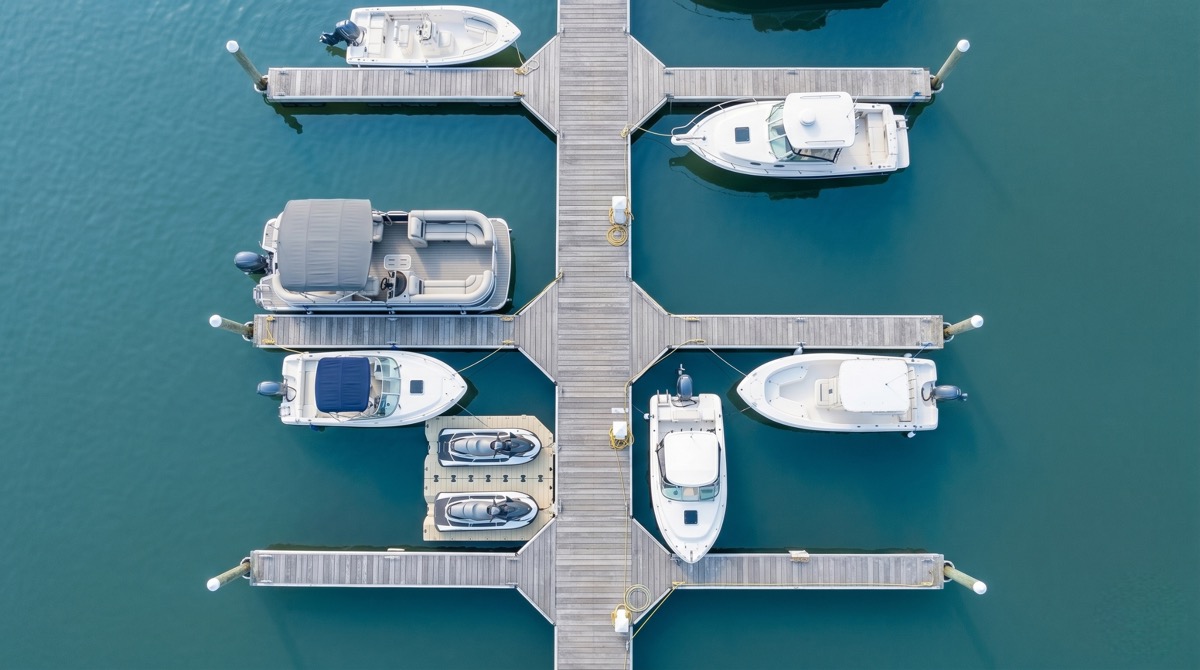
Manage your fleet with the right software
A boat rental operation has more moving parts than most rental businesses — tidal schedules, weather cancellations, safety briefings, fuel charges, captain availability, and multi-hour time slots that do not fit neatly into a calendar.
Spreadsheets and phone calls fall apart fast once you have 3+ boats going out daily. You forget to block a time slot after a booking, double-assign a captain, or miss a reservation inquiry that came in while you were on the water.
Rental management software centralizes everything: real-time availability, online booking, digital waivers, and payment collection. Here is what matters most for boat rental operators:
- Real-time fleet availability — when a pontoon is booked for a half-day, it is blocked instantly across all channels. No double-bookings.
- Online reservations — customers check what is available and book without calling. Critical during peak season when you cannot answer every call.
- Digital waivers and liability forms — signed before arrival. Legally required for most marine operations and saves 15-20 minutes per rental at the dock.
- Deposit and payment processing — collect security deposits and rental fees online before the customer shows up.
- Automated customer communication — booking confirmations, weather-related updates, and pre-trip checklists sent automatically.
LendControl handles all of this out of the box, including WhatsApp AI availability — a customer messages “Any pontoons open this Saturday afternoon?” and gets an instant, accurate answer pulled from your live inventory. No forms, no hold music, no waiting for you to check the schedule between trips.
Frequently asked questions
How much does it cost to start a boat rental business?
Most small operations launch with $50,000 to $250,000, depending on fleet type and location. A jet ski-only operation can start closer to $50,000-$80,000. A mixed fleet of pontoons and fishing boats typically requires $120,000-$200,000 including boats, marina fees, insurance, licensing, and first-year operating costs.
Is a boat rental business profitable?
Yes — daily rates are high ($150-$600+ per vessel), and peak-season utilization can reach 70-80%. Profit margins average ~7.3% industry-wide; individual operators can reach 15-35% in best-case scenarios after accounting for insurance, maintenance, and marina fees. Seasonal markets require pricing high enough during peak months to cover the off-season.
Do I need a captain’s license to rent boats?
If customers operate the boats themselves (bareboat rental), you generally do not need a USCG license. If you or your staff operate the vessel with paying passengers aboard, you need a USCG OUPV (“Six-Pack”) license. Requirements vary by state — check your state’s marine agency for local rules.
What type of boat is most profitable to rent?
Jet skis offer the best ROI for hourly rentals — low acquisition cost, high turnover, and strong hourly rates ($75-$150/hour). Pontoons generate the highest daily revenue and are the most popular vessel for lake and bay tourism. The best approach is a mixed fleet that covers both high-turnover and high-ticket segments.
What insurance do I need for a boat rental business?
At minimum: hull insurance (covers damage to your boats) and marine general liability (covers passenger injuries and third-party damage). Most commercial marine operations also carry Protection and Indemnity (P&I) coverage. Budget $8,000 to $20,000 per year for a small fleet.
Launch your boat rental business with the right numbers
Understanding the full boat rental startup cost before you buy your first vessel is the difference between a business that survives its first season and one that runs out of cash by August.
- Fleet sized right — match your boats to your market and budget
- Insurance locked in — hull, liability, and P&I before your first booking
- Licenses squared away — USCG, state, and local permits
- Operations on software — stop managing bookings from a clipboard on the dock
Ready to manage your boat rental fleet from one dashboard?
No credit card required.